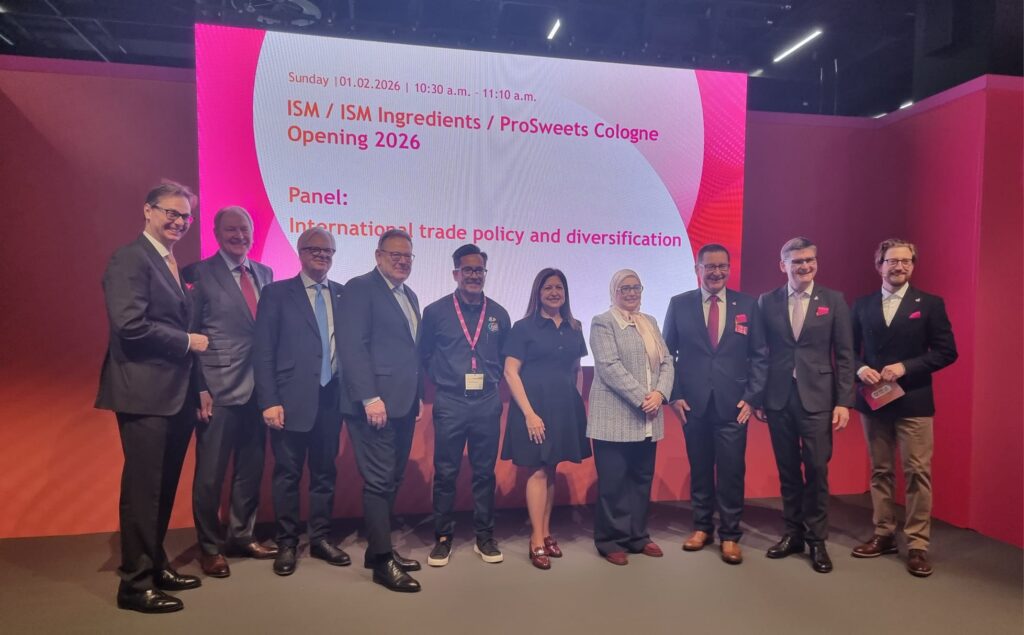
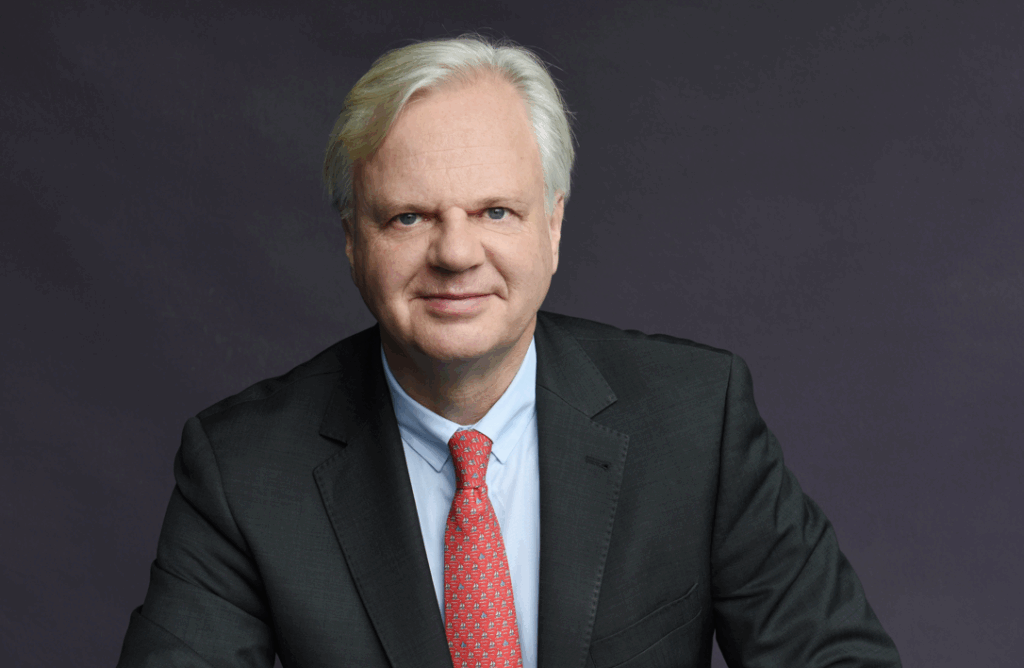
Cologne – 1 February 2026 – Speaking at the opening panel of ISM 2026, the world’s leading trade fair for sweets and snacks, Tobias Bachmüller, President of CAOBISCO, highlighted the crucial role of EU trade policy in safeguarding the competitiveness, resilience and growth of Europe’s confectionery sector.
Addressing an international audience of industry leaders and policymakers, Mr. Bachmüller underlined that European confectionery manufacturers – the largest exhibitor group at ISM – are deeply embedded in global value chains and depend on international trade on a daily basis.
“Trade policy is not an abstract debate for our sector,” said Tobias Bachmüller. “European confectionery companies rely on open and predictable trade to secure essential raw materials and to export high value-added products worldwide. For SMEs in particular, stability and openness are key conditions for competitiveness.”
Trade Fragmentation Brings Real Economic Risks
Mr. Bachmüller warned that international trade is entering a more fragmented and uncertain phase, driven by geopolitical tensions, supply chain disruptions and increasing regulatory pressure.
“Breaks in international trade translate directly into higher input costs, disrupted supply chains and fewer export opportunities,” he stressed. “At the same time, the current retreat from rule-based trade highlights the strategic importance of a strong, credible and business-oriented EU trade policy.”
Trade Agreements Are Growth Tools
From the perspective of Europe’s confectionery industry, open strategic autonomy must remain truly open, Mr. Bachmüller said. Trade agreements are not only geopolitical instruments, but essential growth tools that help diversify supply chains, open new markets and sustain value creation in Europe.
In this context, he welcomed progress on key EU trade agreements, notably with MERCOSUR and India, as well as ongoing negotiations with other strategic partners.
“In an increasingly fragmented world, cooperation is not a vulnerability – it is a strategic necessity,” Mr. Bachmüller stated.
MERCOSUR and India: Opportunities for Supply and Exports
Referring to the EU-MERCOSUR agreement, Mr. Bachmüller noted that the duty-free quota for raw sugar imports would help address structural supply constraints in the EU and support more diversified and resilient sourcing, while reflecting a balanced approach that takes economic, environmental and geopolitical considerations into account.
He also highlighted the strong export potential through access to the Indian market. “An ambitious EU–India trade agreement can unlock new opportunities for European confectionery exports,” he said.
Competitiveness Also Depends on Existing Trade Instruments
Mr. Bachmüller emphasised that EU trade policy must not only focus on new agreements, but also preserve the instruments that allow European industry to remain competitive today. He expressed concern over discussions on suspending the Inward Processing Relief (IPR) scheme for sugar, which allows companies to import sugar duty-free when it is processed and re-exported. “Suspending IPR would immediately raise production costs, weaken export competitiveness and risk shifting value creation outside the EU,” Mr. Bachmüller warned. “This would run counter to the EU’s objectives on open strategic autonomy, resilient supply chains and value-added manufacturing.”
Concluding his intervention, Mr. Bachmüller stressed that ISM is more than the world’s leading confectionery trade fair.
“ISM is where trade policy meets economic reality,” he said. “It connects global suppliers, manufacturers and buyers, and turns political decisions into concrete business outcomes. Europe now needs a proactive, predictable and competitiveness-driven trade agenda – one that advances agreements such as MERCOSUR and India and strengthens Europe’s industrial base.”